


Blog
How to Teach Easy Coloring Techniques to Young Beginners Fast
Discover the easiest coloring techniques for young beginners, with step-by-step guidance on tools, page selection, and skill progression for kids ages 3 to 10.
What makes one child finish a coloring page and another flip past it after thirty seconds? The answer is almost never attention span. It is almost always a mismatch between the page and the child’s current skill level, or a mismatch between the tool and the child’s hand. This guide solves both problems. By the end, a grandparent, educator, or parent will know exactly which pages to print, which tools to set out, and how to read a child’s coloring behavior as a reliable signal of readiness for the next level of complexity.
Before the first page goes on the table, a small amount of preparation makes the difference between a session that holds attention and one that falls apart in the first five minutes. The materials needed are straightforward: a printer, paper between 90gsm and 120gsm, a set of wide-tipped crayons for younger children, colored pencils for children aged six and up, and a curated selection of printed pages organized by complexity level. No special equipment is required beyond what most households already own.
What to prepare before printing your first pages
The single most common reason a coloring session fails before it begins is that the pages printed are not matched to the children using them. Complexity mismatch is not a behavior problem. It is a design problem, and it is entirely preventable.
For what are the easiest coloring techniques for young beginners to learn quickly? for toddlers, the page should contain three characteristics: thick outlines at least three millimeters wide, large enclosed areas with no interior detail, and a single recognizable subject centered on the page. These characteristics matter because a toddler’s visual tracking system is still developing. The eye and the hand are not yet coordinating efficiently, which means a thin line functions as an impossible target rather than a useful boundary. A thick line, by contrast, creates a wide margin of success. The child can stay within the space without requiring precision they have not yet built.
For children aged six to ten, the page should introduce some interior linework while maintaining clear outer boundaries. The coloring techniques guide principle here is progressive load: each page should ask slightly more of the child’s hand than the previous one, but never so much that the first mark feels difficult. When the first mark feels easy, the child commits to the page. Commitment is what produces a finished piece.
Sorting printed pages into two or three complexity groups before the session begins removes decision fatigue entirely. A grandparent running a multi-age visit can place the appropriate stack in front of each child without interruption, which keeps the session moving and prevents the comparison anxiety that arises when a younger child sees an older child working on a more detailed page.
Walking through the process from first page to finished book using basic coloring techniques
The sequence in which a child approaches a page determines whether they finish it, and most children are never taught an explicit sequence. Teaching one changes outcomes immediately.
The process that produces the most consistent results across age groups begins with the outline. Regardless of which tool the child is using, tracing the outer boundary of the main subject first accomplishes two things. It gives the child a clear visual map of the space they are working within, and it produces an early visible result that reinforces commitment to the page. In behavioral terms, the outline is a low-cost action with a high-visibility reward. That ratio keeps a child at the table.
The best what are the easiest coloring techniques for young beginners to learn quickly? for kids ages 3 to 10 follow this sequence consistently: outline first, largest interior areas second, smallest details last. The reason is cognitive load management. A young child’s working memory is limited. Beginning with the largest, most obvious areas reduces the number of decisions the child must hold in mind at once. As the page fills in, the remaining spaces become smaller and more defined, which paradoxically makes them easier to address because the context around them is already established.
Coloring techniques for young children should also address tool grip early. A child holding a crayon with a fist grip rather than a tripod grip will tire quickly because the fist grip recruits large arm muscles for a task that benefits from fine finger control. Gently repositioning the grip during the first session, before habits solidify, requires thirty seconds and prevents years of unnecessary fatigue. Watch for a child who bears down heavily on the page. Heavy pressure is almost always a compensation for poor grip mechanics, not an expression of enthusiasm.
How to get the most out of each page
A finished coloring page represents more than a completed task; it is a record of the child’s current motor control, color reasoning, and sustained attention, all of which can be read directly from the page if one knows what to look for.
The benefits of what are the easiest coloring techniques for young beginners to learn quickly? for children are most visible when the finished page is examined rather than simply collected. Lines that consistently overshoot boundaries indicate that the child’s motor control is developing but not yet calibrated for fine work. This is normal in children under five and expected in children who have not had regular coloring practice. It is not a problem to correct verbally. It corrects itself through repetition.
Color distribution across the page tells a different story. A child who leaves large white areas within a bounded space is not being careless. They are making an efficiency calculation: the center of a large space is harder to reach with a crayon without rotating the page, and most children do not yet know to rotate. Teaching page rotation during the session is a simple intervention with an immediate visible effect. Place a hand on the child’s page and rotate it slightly. The child almost always continues coloring without interruption and naturally adopts the behavior going forward.

What are the easiest coloring techniques for young beginners to learn quickly? activities for kids that produce the fastest visible improvement are always repetition-based. Printing the same page twice and allowing a child to color it on consecutive days produces a measurable difference in line control and coverage by the second attempt. The brain consolidates fine motor learning during rest. The second session benefits from the first, even when the child has no conscious memory of adjusting their approach.
Coloring techniques tips for parents and grandparents overseeing group sessions: resist the impulse to correct a child’s color choices. Color selection is a creative decision, and interrupting it with a correction shifts the child’s attention from the internal pleasure of the task to the external approval of the adult. That shift is difficult to reverse within the same session. Observe, and intervene only on grip and page orientation.
When to move to more complex coloring techniques and pages
The clearest signal that a child is ready for a more complex page is not age, and it is not how long they have been coloring. It is consistent boundary adherence on the current level of page. When a child reliably colors within the lines on thick-outline pages across three or more consecutive sessions, the hand and eye are coordinating at a level that can support finer linework.
The transition to more complex pages should be gradual. Introducing a page with slightly thinner outlines and one or two interior detail areas is enough of a change to engage a developing skill without triggering the frustration response that produces abandoned pages. A common mistake is jumping two complexity levels at once because the child seems ready or asks for a harder page. Readiness expressed verbally and readiness demonstrated through motor behavior are not the same thing, and the page will clarify which is actually present.
For what are the easiest coloring techniques for young beginners to learn quickly? activities for kids at the intermediate level, pages with geometric interior patterns produce the fastest skill gains because they require the child to make repeated short strokes within defined spaces, which builds both grip endurance and directional control simultaneously. Organic shapes, such as illustrated animals or food items, develop color reasoning and spatial awareness. A well-structured PDF series sequences these page types intentionally, which removes the guesswork from progression entirely.
The coloring techniques guide principle that governs progression is this: a child should feel a mild but surmountable challenge on every page. Too easy produces boredom within minutes. Too difficult produces a page left on the table. The window between those two outcomes is wider than most people expect, and a well-designed collection stays within it consistently across dozens of pages.
Common mistakes in beginner coloring sessions cluster around three errors. The first is selecting pages that are too detailed for the child’s current grip strength and visual tracking ability, which produces early frustration and a reluctance to try again. The second is allowing sessions to run too long: twenty to thirty minutes is the productive window for most children under ten, and extending past it produces diminishing quality rather than more practice. The third is treating a session as unstructured free time rather than a prepared activity, which removes the conditions that make skill development possible. Preparation takes five minutes and changes the outcome substantially.
Questions about What are the easiest coloring techniques for young beginners to learn quickly?
What is the best tool for a three-year-old just starting to color?
Wide-tipped crayons are the most appropriate tool for children aged three to four. The wider barrel supports a fist grip, which is developmentally normal at this age, while the broad tip covers page area quickly and produces visible results with minimal pressure. Thin crayons and standard colored pencils require a level of grip precision that most children under five have not yet developed, and they produce lighter marks that can feel unrewarding to a child expecting bold color. Chunky triangular crayons are particularly useful because the shape naturally guides the fingers toward a more functional grip position without any instruction required.
How many pages should a child complete in a single session?
For children aged three to six, one page per session is usually the right target. Completing one page fully produces a stronger sense of accomplishment than starting two pages and finishing neither. For children aged seven to ten, two pages is a reasonable target if the pages are at the appropriate complexity level and the session is between twenty and thirty minutes long. The goal is always a finished piece rather than a high volume of partial work, because completion is what builds the confidence that brings a child back to the activity voluntarily.
Does the type of paper affect how a coloring session goes?
Paper weight affects the session in ways that are easy to underestimate. Standard printer paper at 80gsm is too thin for layered crayon or pencil work. It dimples under pressure and allows pigment to transfer to the surface beneath, which is frustrating for any child working carefully. Paper at 90gsm to 120gsm accepts multiple layers without tearing and produces a finished page that feels substantial and display-worthy. For a grandparent printing pages at home, selecting a slightly heavier paper from any office supply store is a simple change that visibly improves the quality of the finished work.
How can multiple children of different ages use the same coloring session?
The most effective approach is page differentiation within a shared session. Print simpler pages with thick outlines and large areas for younger children, and more detailed pages with interior linework for older children, all from the same thematic collection. The shared visual theme creates a sense of collective activity even when the individual pages differ significantly in complexity. This approach allows a grandparent to run a single session for children ranging from age three to ten without managing separate activities, and it prevents the comparison dynamic that arises when children of different ages are given identical pages.
How long before a beginner shows noticeable improvement in line control?
Most children show visible improvement in boundary adherence within three to five sessions when the pages are appropriately matched to their skill level. The improvement is most pronounced in children who have not had prior coloring practice, because the skill baseline is lower and the gains are therefore more visible. The mechanism is straightforward: fine motor skills improve through repeated, low-stakes practice with adequate rest between sessions. A child who colors for twenty minutes three times per week will show more consistent improvement than a child who colors for two hours once a week, because the brain consolidates motor learning during the intervals between practice sessions rather than during the practice itself.
The easiest coloring techniques for young beginners are not secrets. They are a sequence, a matched page, and a tool that fits the hand. When those three elements are in place, most children will finish a page, return to the activity voluntarily, and develop measurable fine motor skill without any additional instruction. The complexity of the outcome is entirely disproportionate to the simplicity of the preparation required.
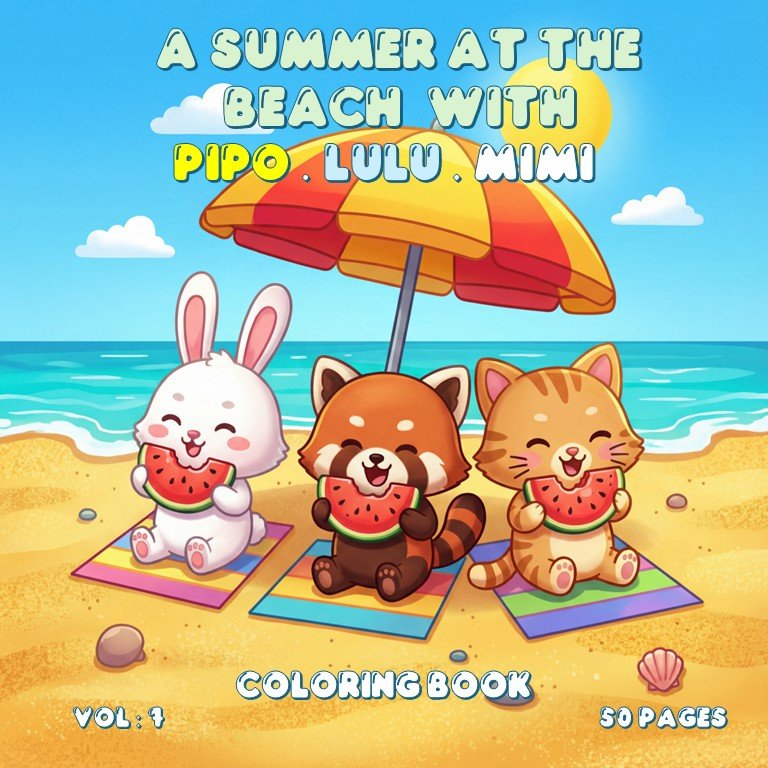
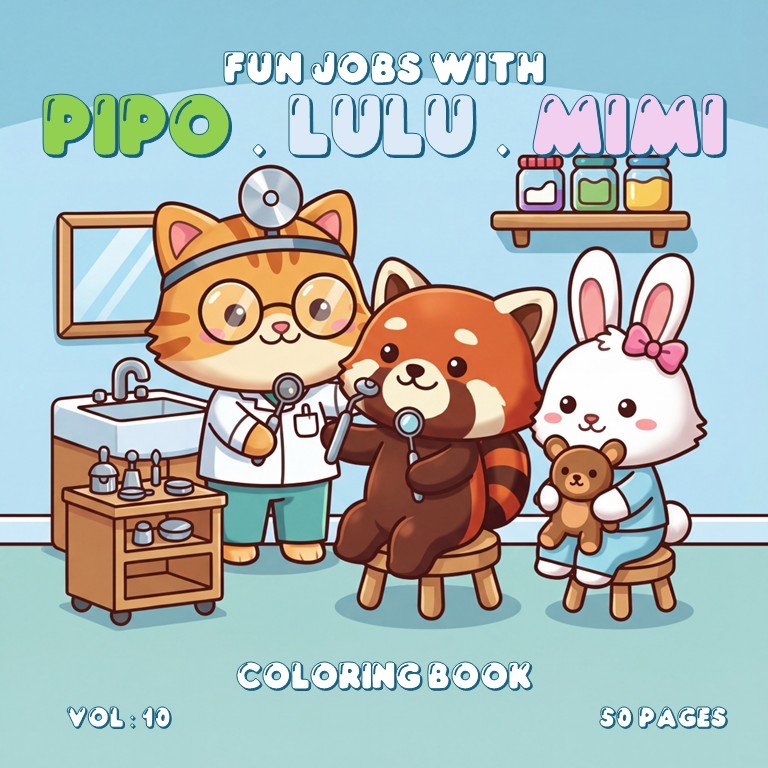
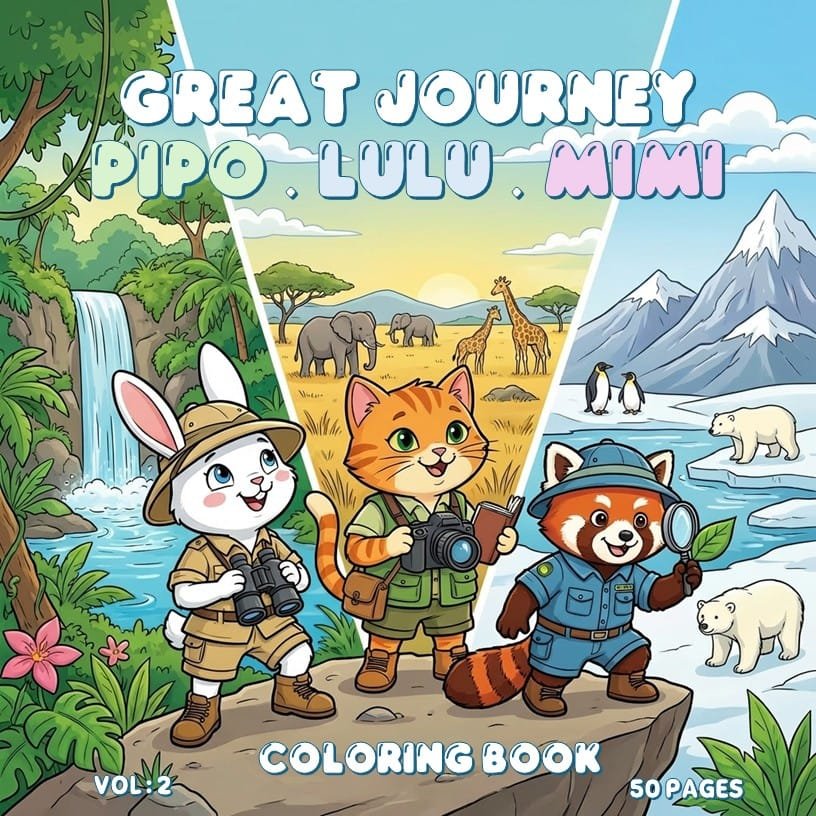
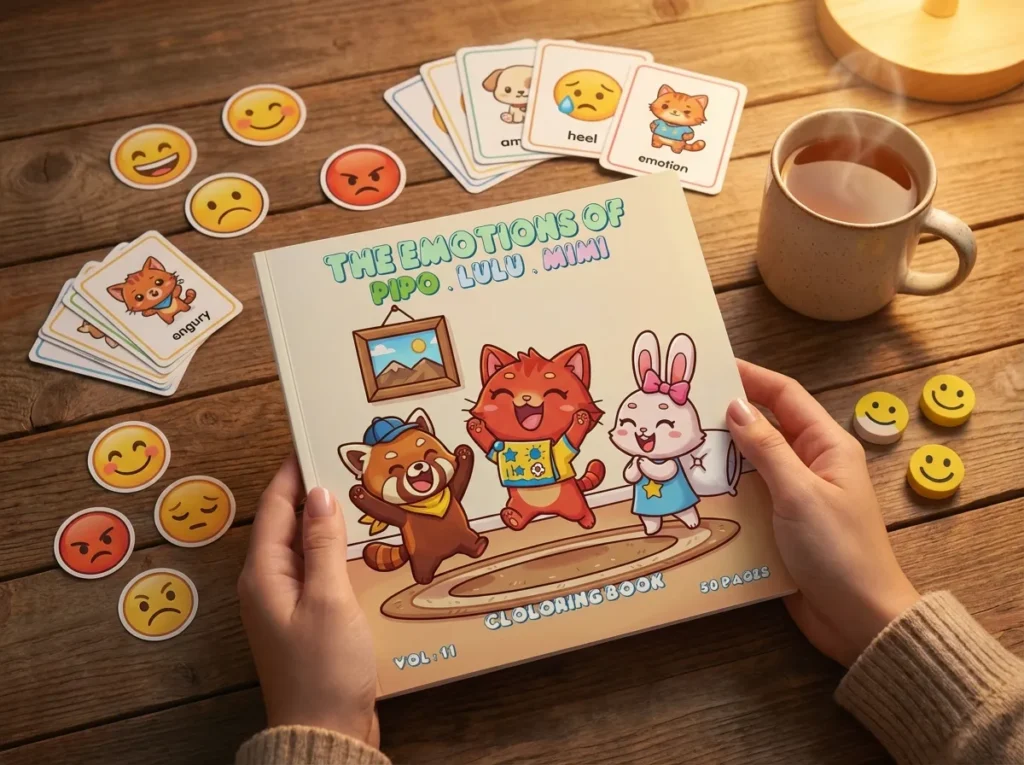
Every session run without appropriately leveled pages is a session that works against the child’s developing skill rather than with it. The Cozy Family Coloring Book PDF series contains pages sequenced specifically for the progression described in this guide, from broad-outline beginner pages to detailed intermediate illustrations, and the collection is available to download now. Waiting means the next visit or classroom session starts without the foundation that makes the activity work.
